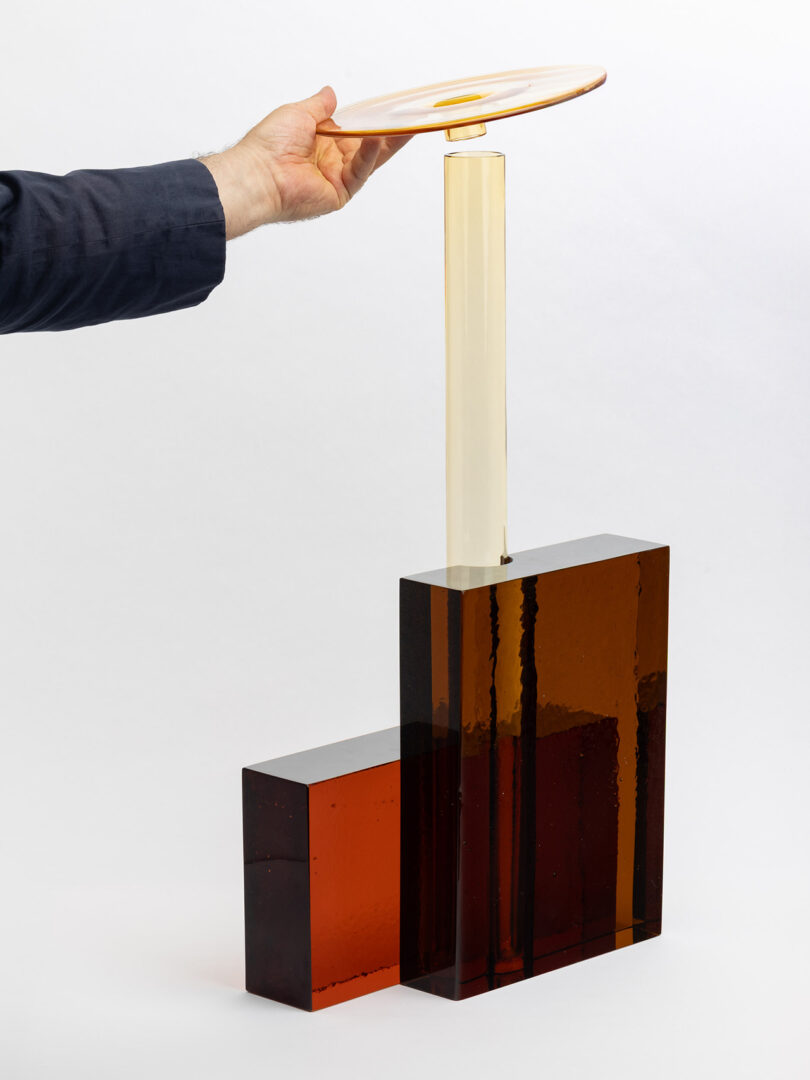
Transparency, in all of its vertices, is a beautiful thing. All of our favorite earthly delights––a babbling brook, a bubble in air, terms and conditions that actually make sense––give us a sense of clarity and honesty, nothing to hide. The Inchiostri exhibition by Ronan Bouroullec and Giorgio Mastinu, produced in collaboration with master glassblower Simone Cenedese, lingered in this elusive yet tender territory. In it, handcrafted glass blocks gave way to layered color, and light became as much material as the glass itself.
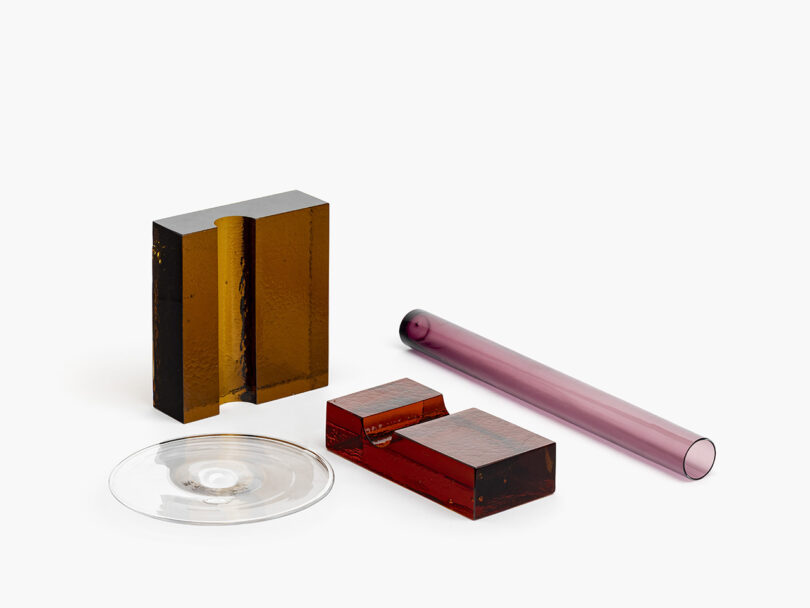
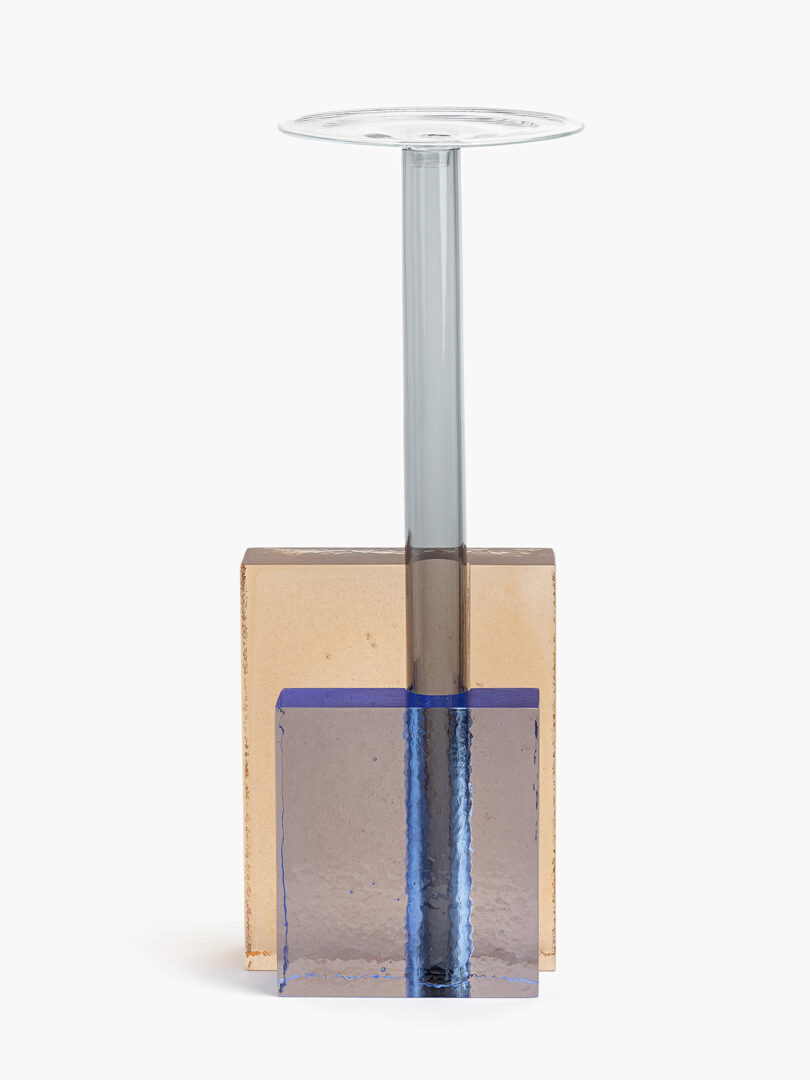
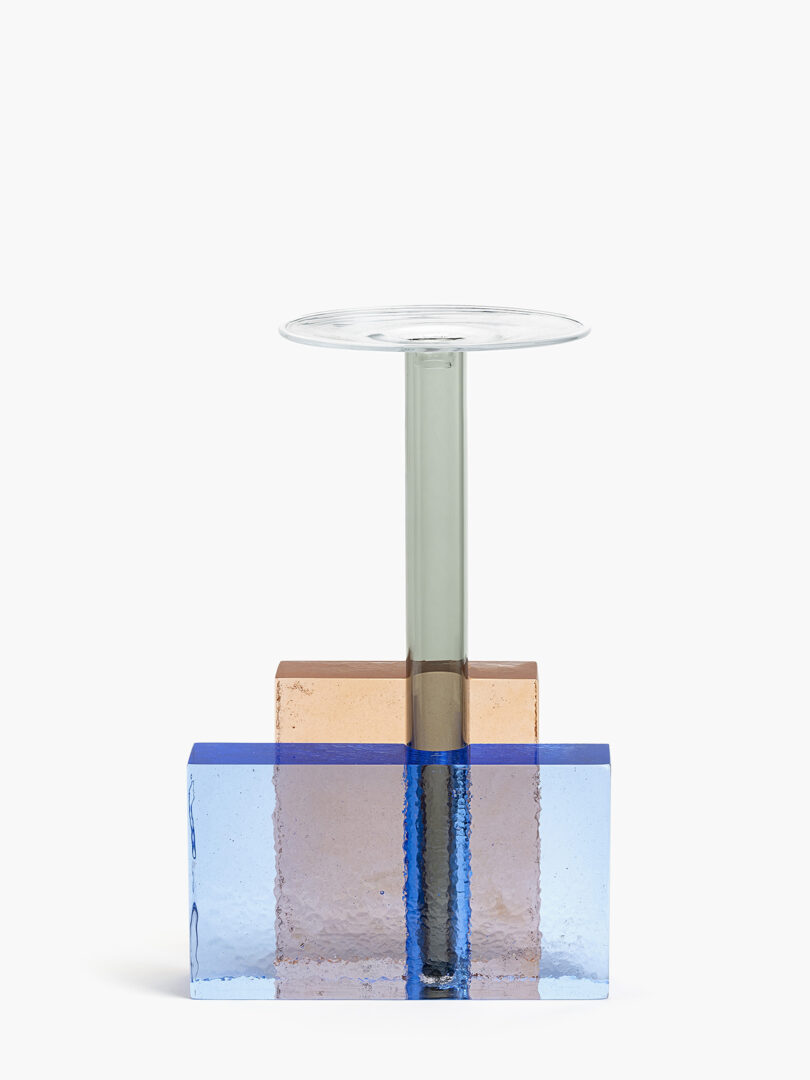
Each vase was composed of four elements: two cast glass blocks––produced in four sizes and two thicknesses, roughly 6 or 7 centimeters––a blown glass tube available in two heights, and a shallow blown glass dish that may be stacked on top. Every component carried its own hue, selected from an eleven-color palette, so that when assembled, colors overlaped and refracted, to produce subtle chromatic vibrations.
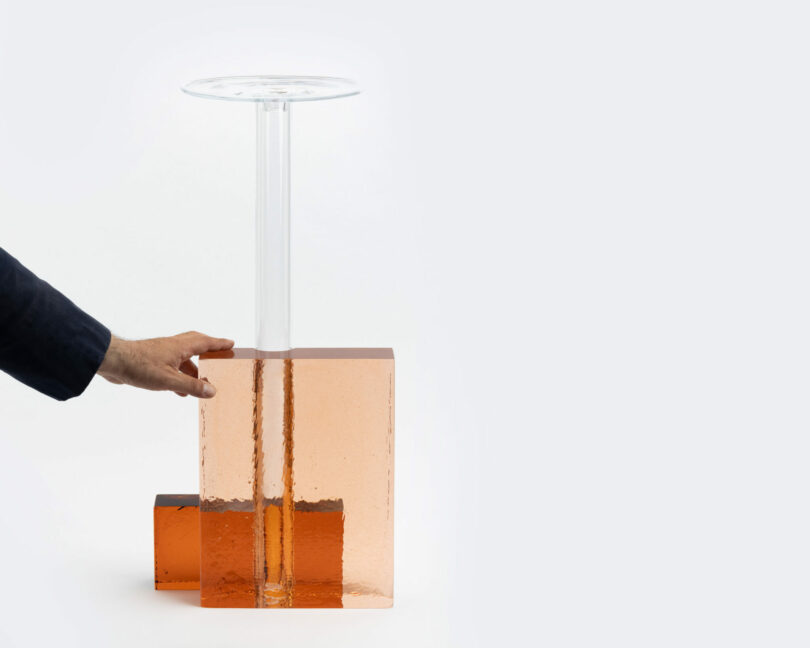
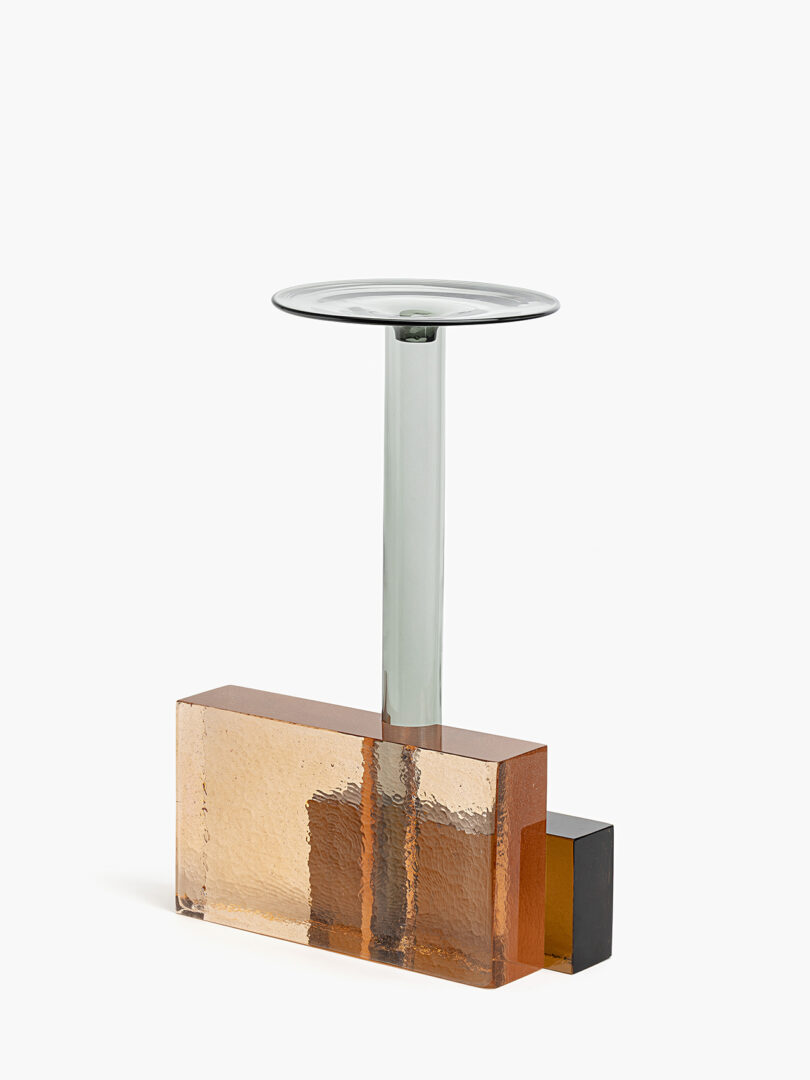
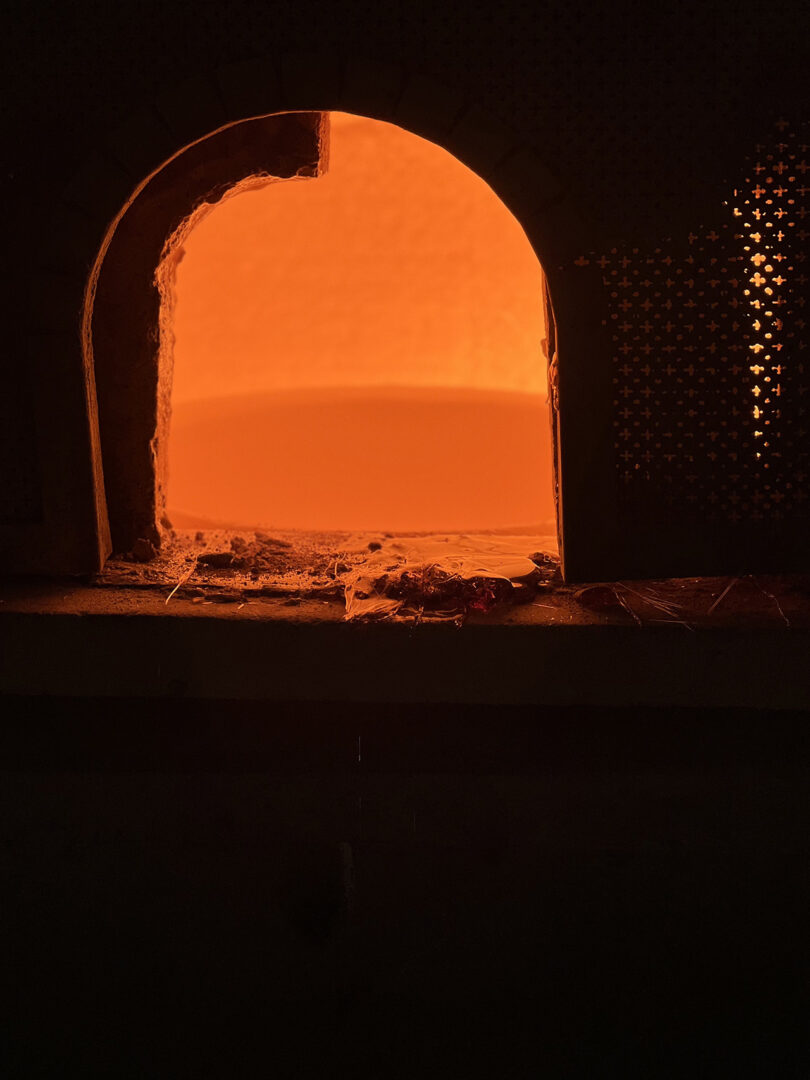
Plane surfaces were intentionally left unpolished to intensify this vibration, while edges were polished to allow light to pass cleanly through. The effect recalled Venetian glazing techniques: depth conjured through transparency, luminosity born from darkness—the exhibition’s title, Inchiostri (“inks”), nodded to this paradox.
Combination, of course, is a longstanding principle in Bouroullec’s practice. His 1997 Vases combinatoires—eight polyurethane elements, functionless alone yet abundant in possibility when interlocked—introduced a non-authoritarian relationship between object and user. That early investigation into combinatorics, influenced by figures from Giorgio Morandi to Sol LeWitt, resonated here.
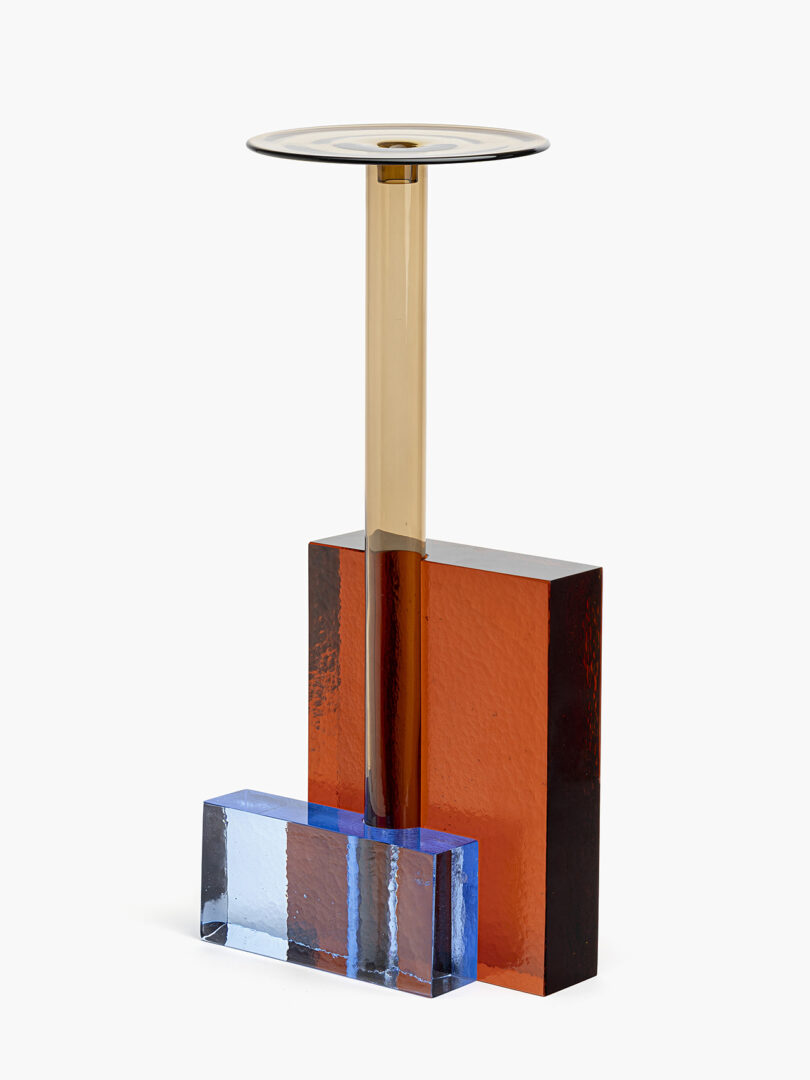
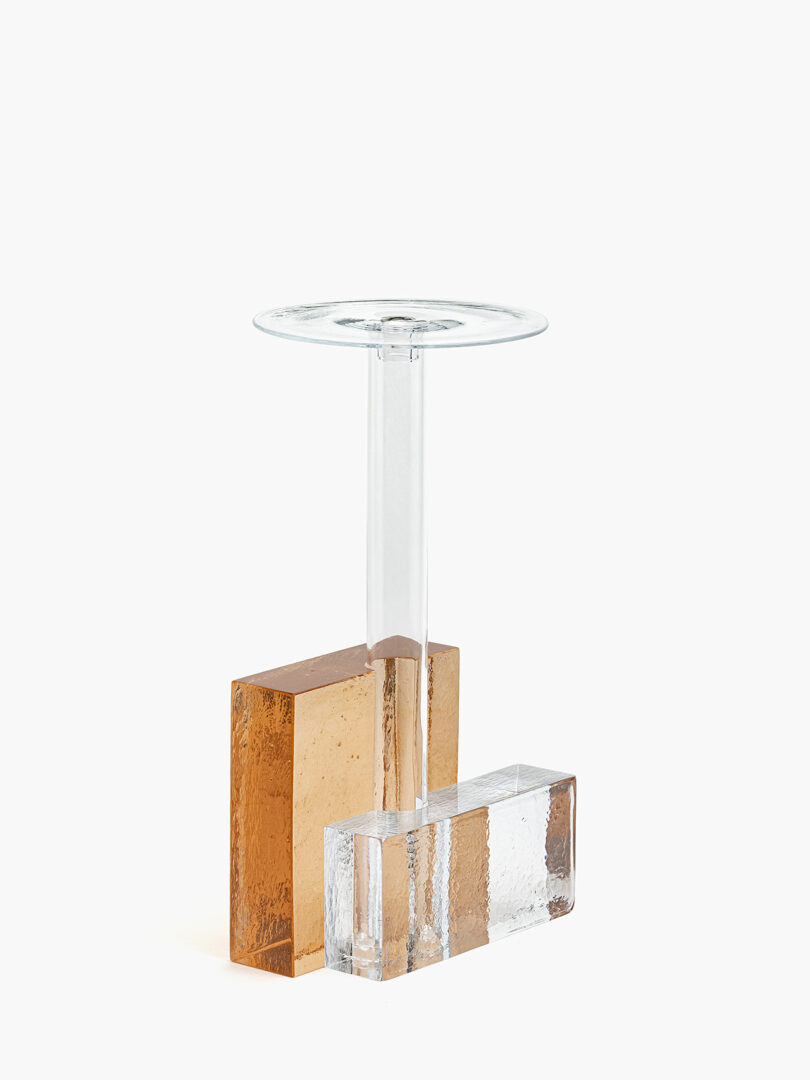
From the near-infinite permutations these glass elements allowed, Bouroullec selected twenty compositions, each exploring assemblage without fasteners, balance between cast solidity and blown fragility, and elevation achieved through weight.
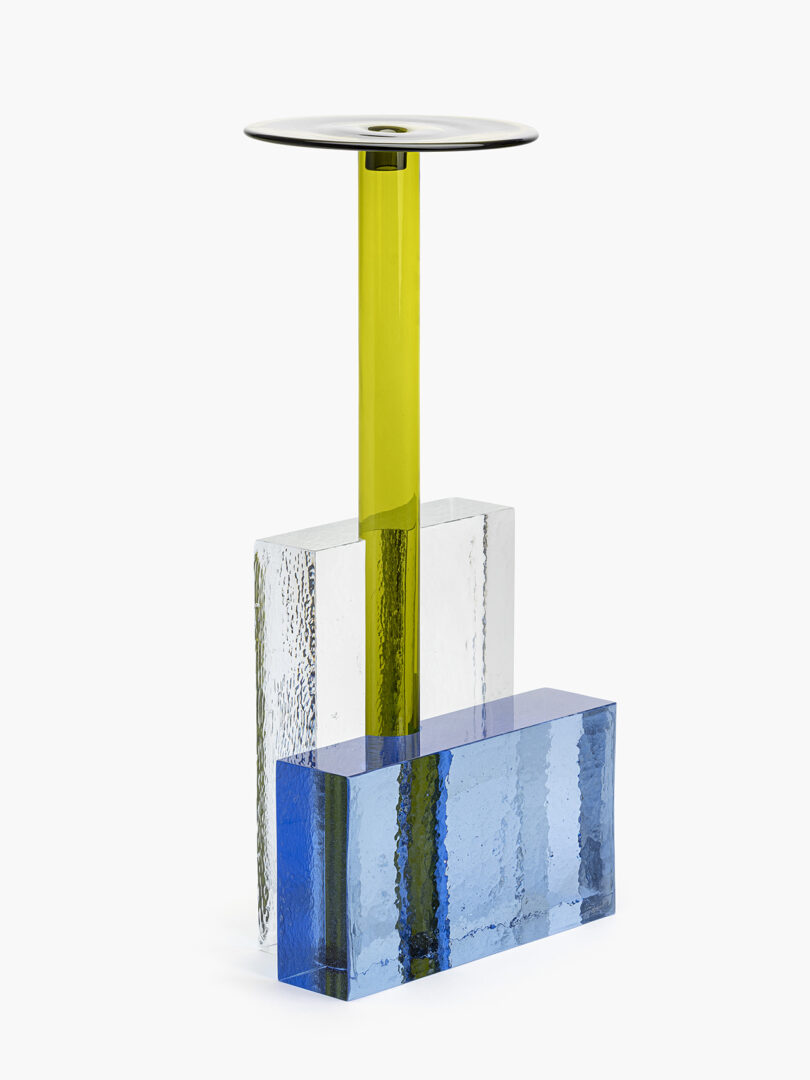
The project’s resonance extended beyond its formal elegance. During its run, the showcase received the fifth edition of the Premio Fondazione di Venezia for The Venice Glass Week. The jury cited the exhibition’s “reduced formal vocabulary” of light, color, and treated surfaces—“but, above all, poetry, enchantment, and magic”—recognizing the series as a compelling bridge between the global language of cast glass and Murano’s storied blown-glass tradition.
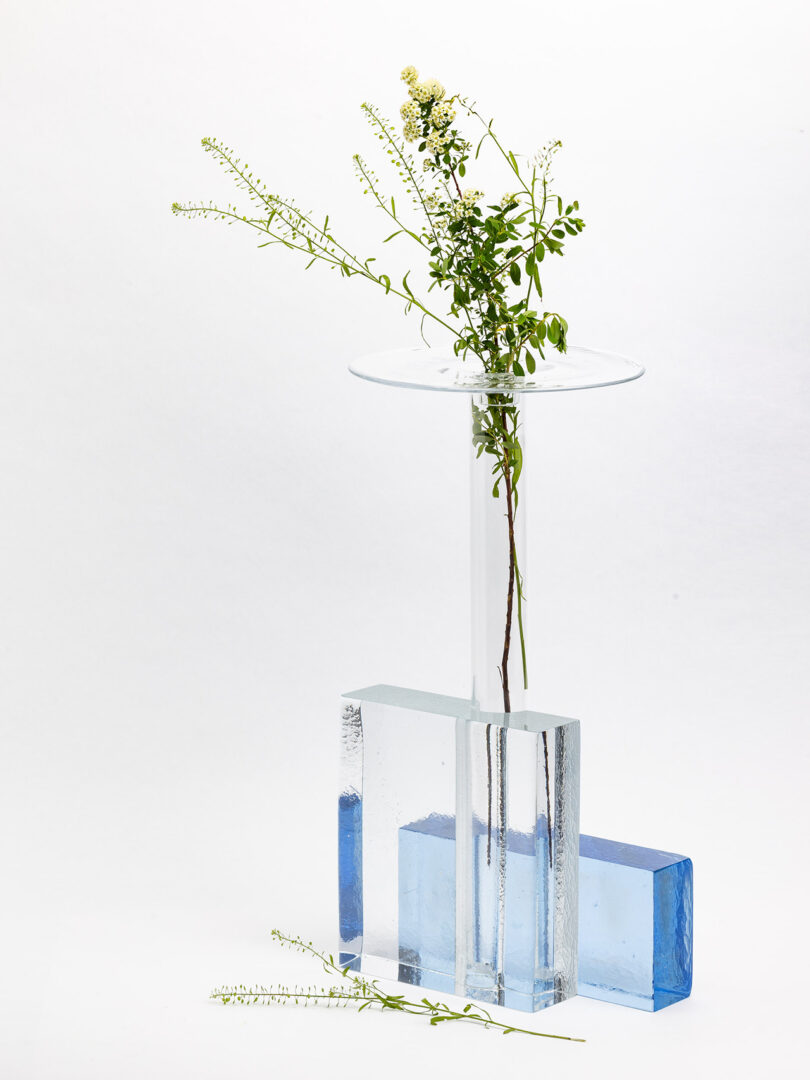
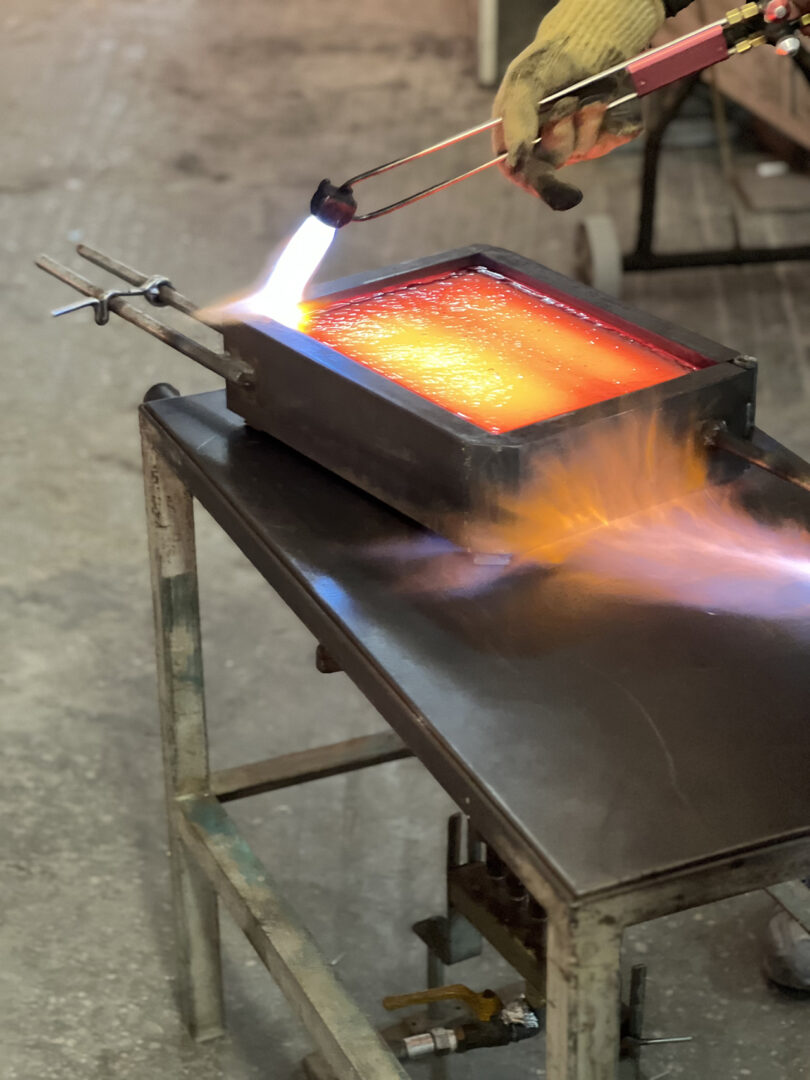
Positioned delicately between sculpture and vessel, Inchiostri occupied a conceptual threshold. A single stem—often gypsophila—was enough to tip the work from contemplative object to functional vase. Crafted from cotissi, irregular fragments reclaimed from the glassblowing process, the blocks anchored the pieces in centuries-old material culture even as they invited endless reassembly. Transparency here was not emptiness; it was collaboration—between color and light, artist and artisan, object and viewer.
To learn more about the Inchiostri Exhibition by Ronan Bouroullec and Giorgio Mastinu, visit bouroullec.com.
Photography by Enrico Fiorese and Giorgio Mastinu.
 FANTESTICRYAN Small Animal Statues Home Decor Modern Style Black Decorative Ornaments for Living Room, Bedroom, Office Desktop, Cabinets…BUY NOW