There’s a particular discipline in building an entire book around a single ingredient. It requires curiosity—and the confidence that one subject, examined closely enough, can hold a reader’s attention. This Month, Anna Stockwell’s The Butter Book, Bonnie Chung’s new edition of Miso: From Japanese Classics to Everyday Umami, and Taschen’s The Gourmand’s Mushroom present butter, miso, and mushrooms not just as pantry staples, but as substances with visual presence—explored through recipe techniques, cultural context, and striking close-up “glamour” photography. Each title, in its own way, argues for the ingredient as both material and muse.


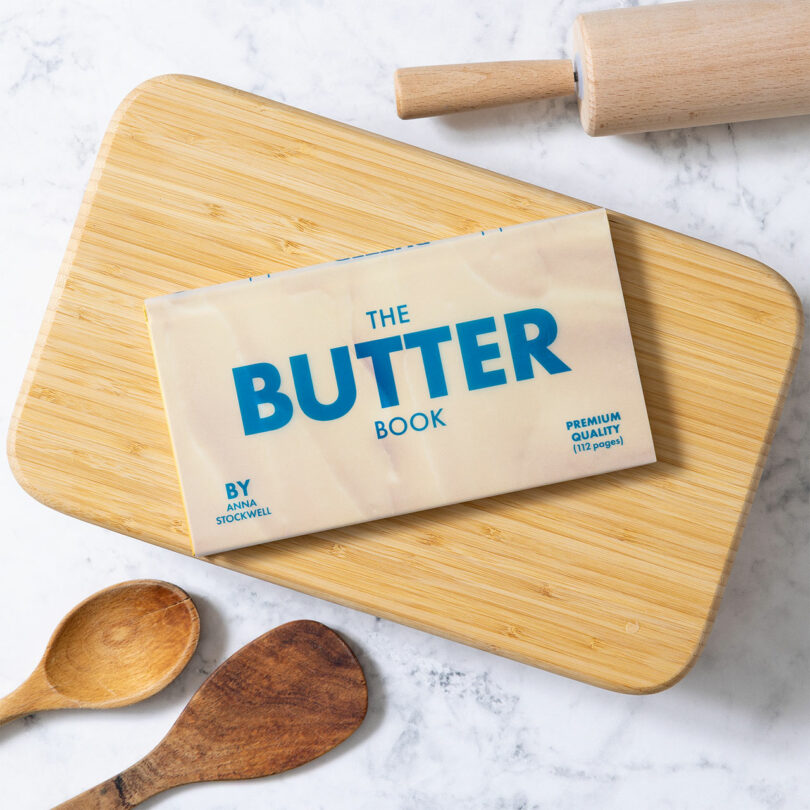
Initially, I was drawn (pun intended) to The Butter Book’s design, a clever trompe l’oeil that mimics a stick of butter. The volume of churned, cream-colored pages arrives wrapped in a vellum book jacket adorned with all-too-familiar blue typography. Anna Stockwell shared that this was Chronicle Books Food & Lifestyle Art Director Lizzie Vaughn’s concept. A veteran of the test kitchens at Bon Appétit and Epicurious, Stockwell writes with the confidence of someone who has browned, clarified, whipped, and emulsified her way through years of recipe development. She reveals how butter can baste scallops into tenderness and gloss a roast chicken until it gleams. From savory puttanesca to hot honey, the pages on compound butters demonstrate modular, creative ways to layer flavor into even the most mundane dish.


Beyond recipes, Stockwell explores one of the oldest human-made foods—synonymous with the history of cooking itself—by diving into the world of butter accessories like molds, slicers, and warmers. Though we bonded over a shared disdain for single-use kitchen gadgets, we both admitted a soft spot for the Coquillor, a silver butter dish and curler in one that extrudes a perfect rosette with a gentle press. Inevitably, our conversation turned to today’s butter renaissance—swooped whipped mounds and edible sculptures populating brand launches and trendy restaurant scenes. As all trends stem from something, Stockwell traced the lineage of butter sculpture back to 1536, when chef Bartolomeo Scappi carved Hercules with a lion as a dinner centerpiece in Rome. As butter continues to permeate food, fashion, and interiors—as hue, reference, and indulgent signifier—The Butter Book emerges as a timely, design-forward homage.


Bonnie Chung’s self-proclaimed magnum opus—and love letter to her favorite ingredient—Miso: From Japanese Classics to Everyday Umami approaches its subject with similar focus, from the perspective of fermentation and balance. This new and expanded edition positions miso, a paste that builds depth with minimal volume, as an essential tool in contemporary cooking. Chung outlines various types and tasting notes, explains how miso is made, and provides guidance for home fermentation alongside profiles of innovative, sustainable producers. The book moves from recognizable dishes, such as miso soup and miso black cod, to more unexpected applications like miso udon carbonara and white miso ice cream with hazelnut praline. Throughout, Chung frames miso not only as a structural ingredient, but as “a chef’s secret.” By adding a spoonful to enrich a tomato sauce, intensify a gravy, or deepen a dessert, she encourages us to see miso not as exotic, but essential. Visually, the book draws on the richness and tonal range of miso for its striking cover—a full-bleed, close-up photograph capturing shades from deep russet to pale ochre, reminiscent of the Grand Canyon at sunset.


From the same authors behind Taschen’s iconic Egg and Lemon collections comes the third book in the series, The Gourmand’s Mushroom: A Collection of Stories & Recipes. David Lane and Marina Tweed, founders of the UK-based Gourmand Magazine, explore one of the more mysterious ingredients on Earth, bringing together culinary craft and cultural inquiry. The volume opens with a reflection on impermanence, foraging, and culinary memory by chef and food writer Jeremy Lee. Photography captures caps and gills as sculpture, pattern, and form—a visual feast that situates fungi within art, folklore, science, and design. This in-depth mycological journey honors mushrooms as fleeting marvels and endlessly inventive ingredients. It’s the expansive collection of original recipes, from funghi sott’olio to classic duxelles and Hungarian mushroom pie (gombás lepény), that makes this more than just a chic coffee table book.


In the end, these books leave you with a hunger rooted as much in curiosity as in appetite. Each, devoted to a single ingredient, creates space for deeper understanding: how it behaves under heat, how it carries culture, and how it shapes the look and feel of a dish. For cooks who approach food through a design lens, the visual and structural qualities of these ingredients extend beyond taste—through butter’s glossy sheen, miso’s dense richness, and mushrooms’ architectural potential. Butter teaches restraint and indulgence in the same breath. Miso reminds us that time is an ingredient we cannot shortcut. Mushrooms insist we look closer at what grows in the shadows. Alone, these ingredients may seem straightforward. Together, however, they feel almost conspiratorial. So yes, I went ahead and made brown butter–miso glazed maitakes for dinner. I suggest you do the same.


Continue reading for more information regarding each monograph and its availability:
The Butter Book
Chronicle Books, March 17, 2026
The Gourmand’s Mushroom. A Collection of Stories & Recipes
TASCHEN – available end of March 2026
Miso: from Japanese Classics to Everyday Umami
(Pavilion Books, Harper Collins in January 2026)
Photography by Yuki Suguira
Food & Prop Styling by Aya Nishimura
Illustrations by Merlin Evans
 FANTESTICRYAN Small Animal Statues Home Decor Modern Style Black Decorative Ornaments for Living Room, Bedroom, Office Desktop, Cabinets…BUY NOW